
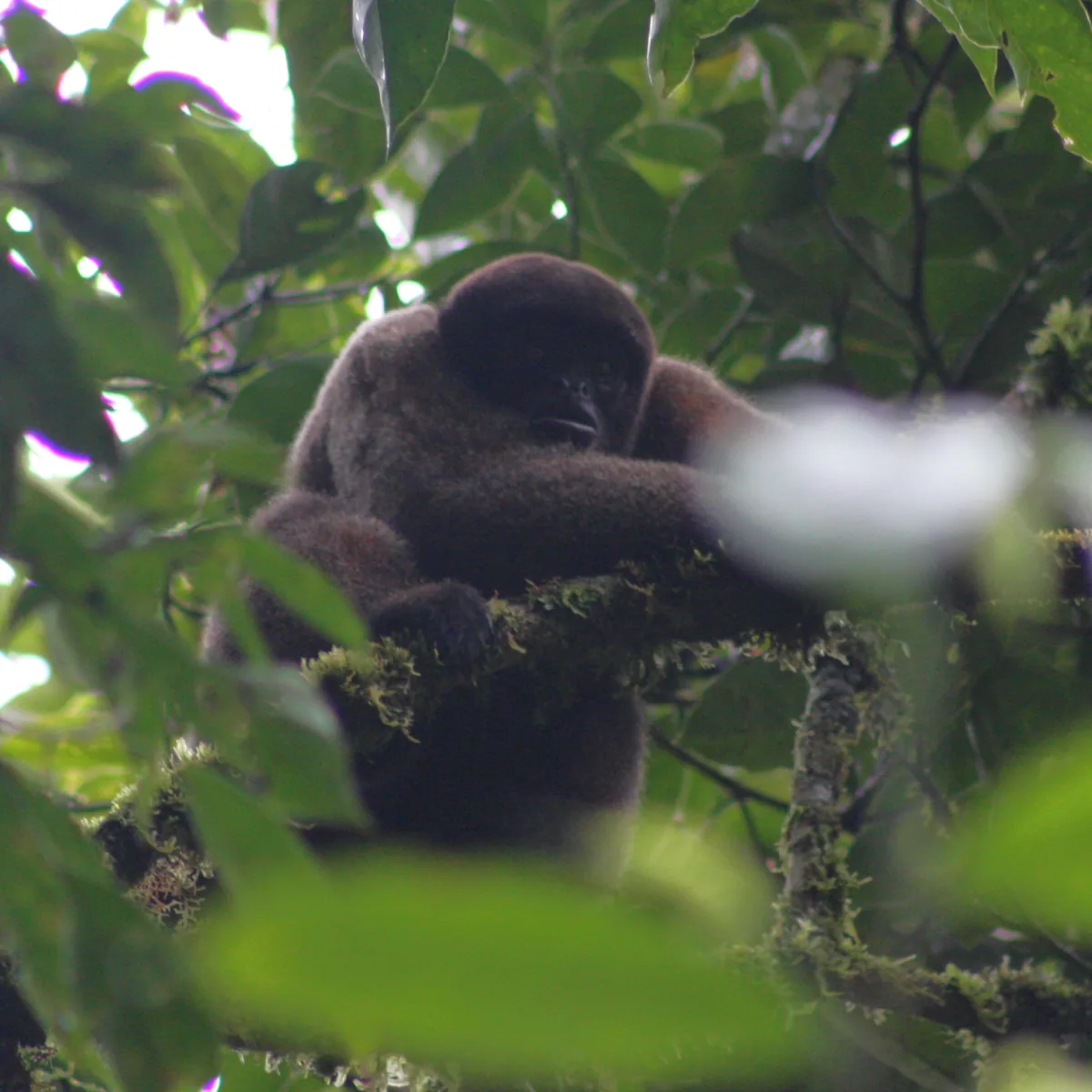
Woolly monkey. Moves through the canopy in groups.
Lagothrix sp.
The Landscape
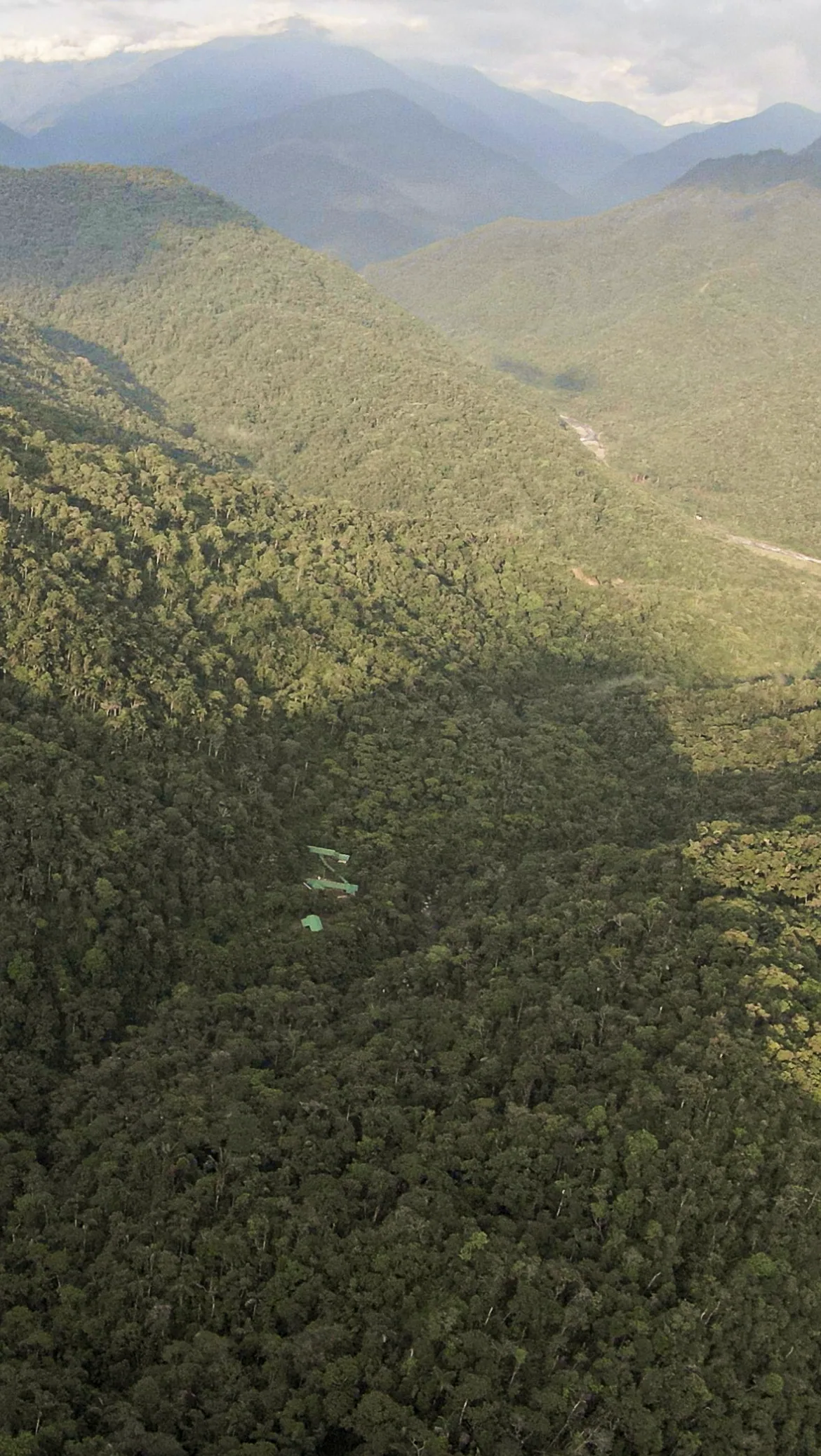
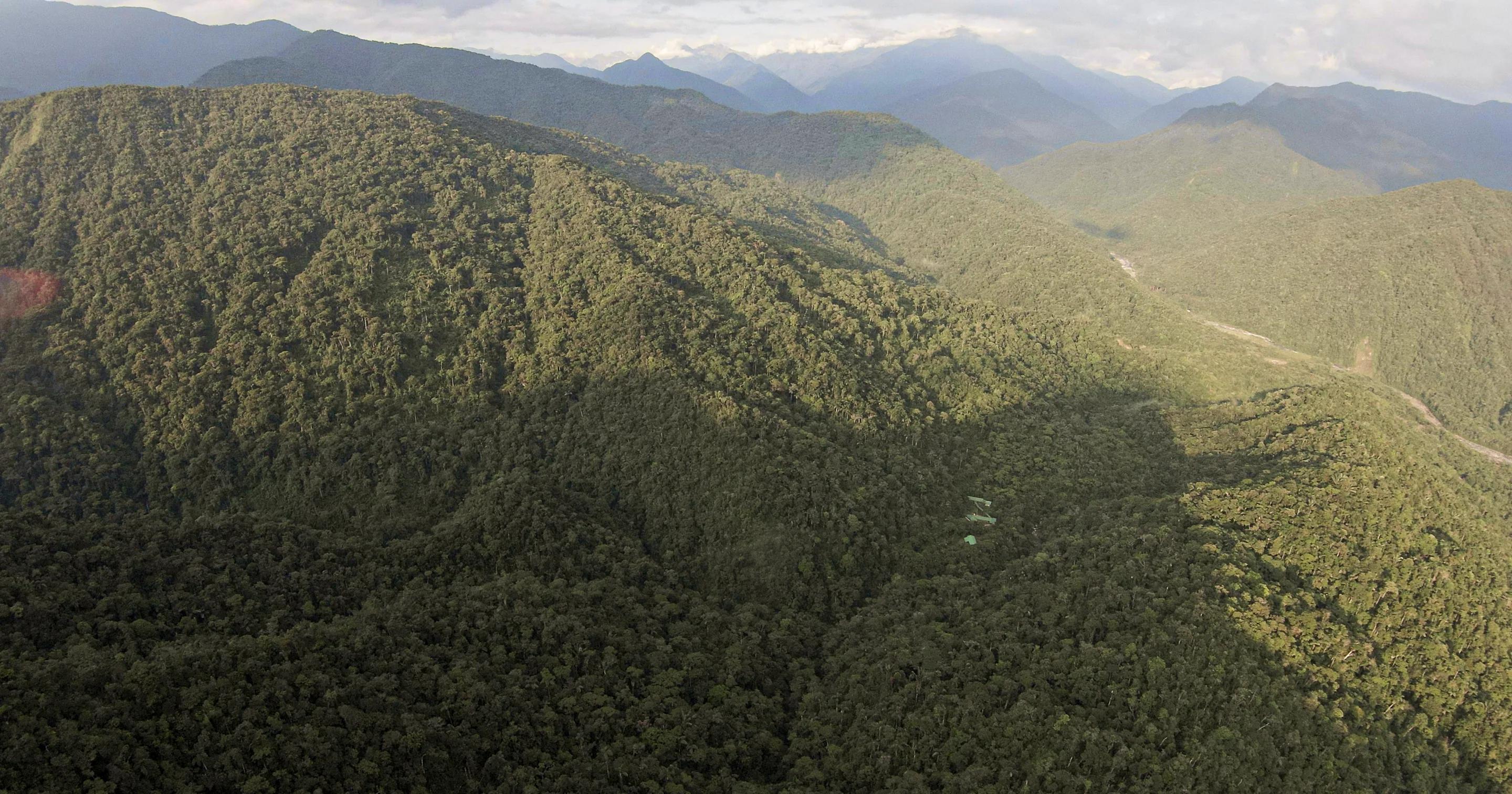
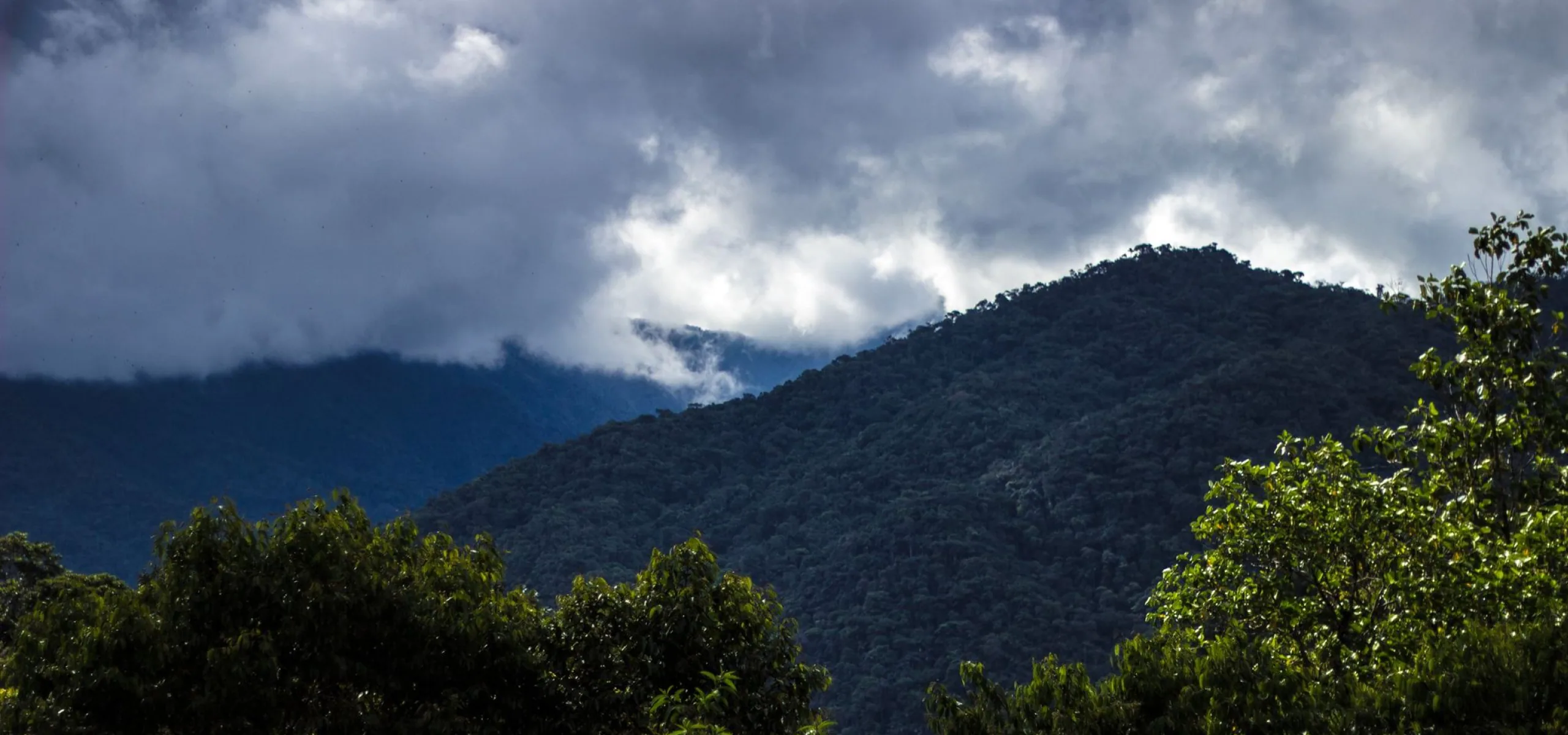
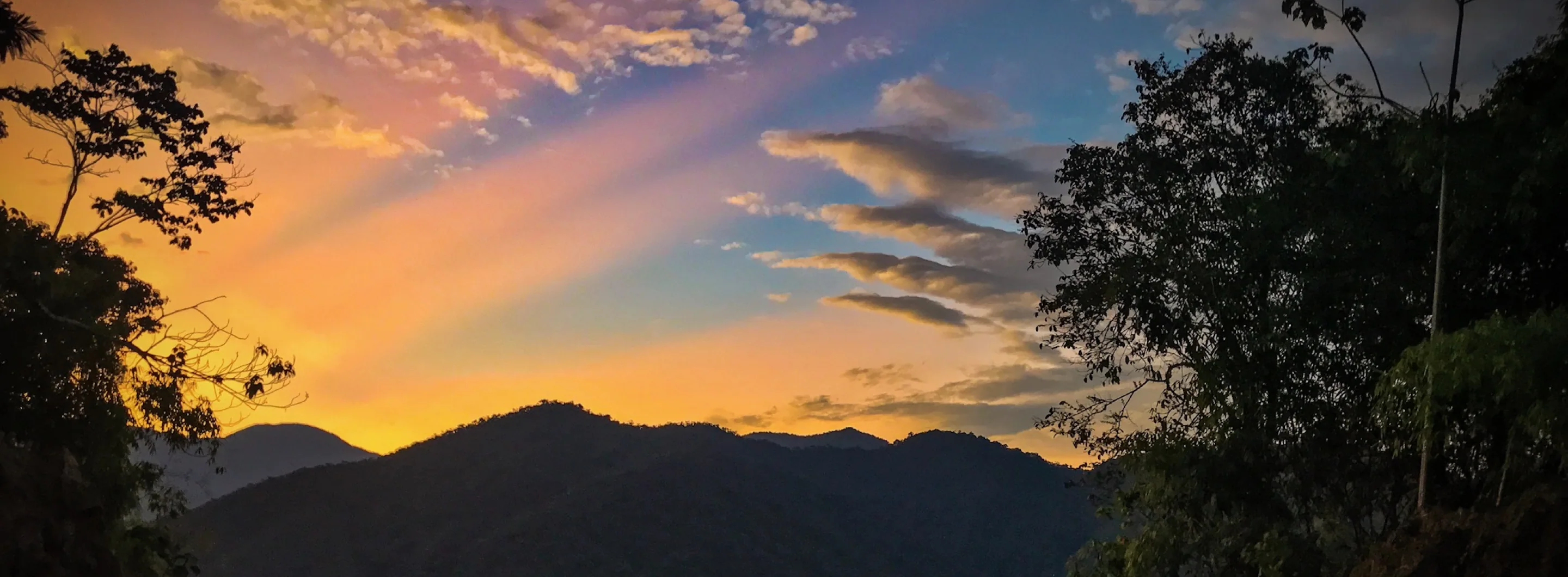
Soqtapata sits in the Tropical Andes of Cusco, Peru. Across this elevation range, climate, vegetation and habitat change within a single conservation area.
9,618 ha
Conservation area
974–4,350 m
Elevation range
Biodiversity
From canopy to forest floor, life takes many forms across Soqtapata’s elevation range.
Woolly monkey. Moves through the canopy in groups.
Lagothrix sp.
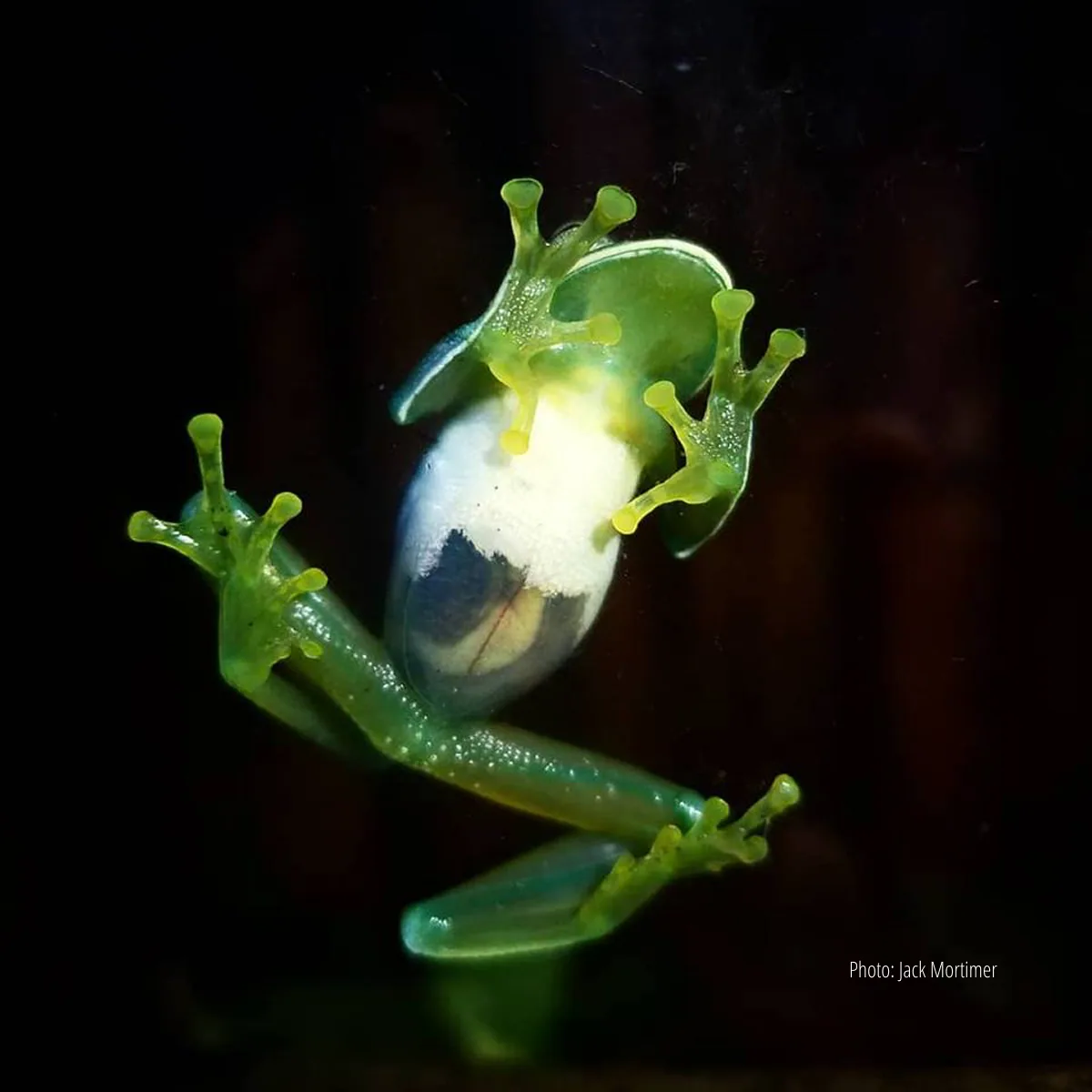
Glass frog. Translucent skin that reveals its organs.
Centrolenidae
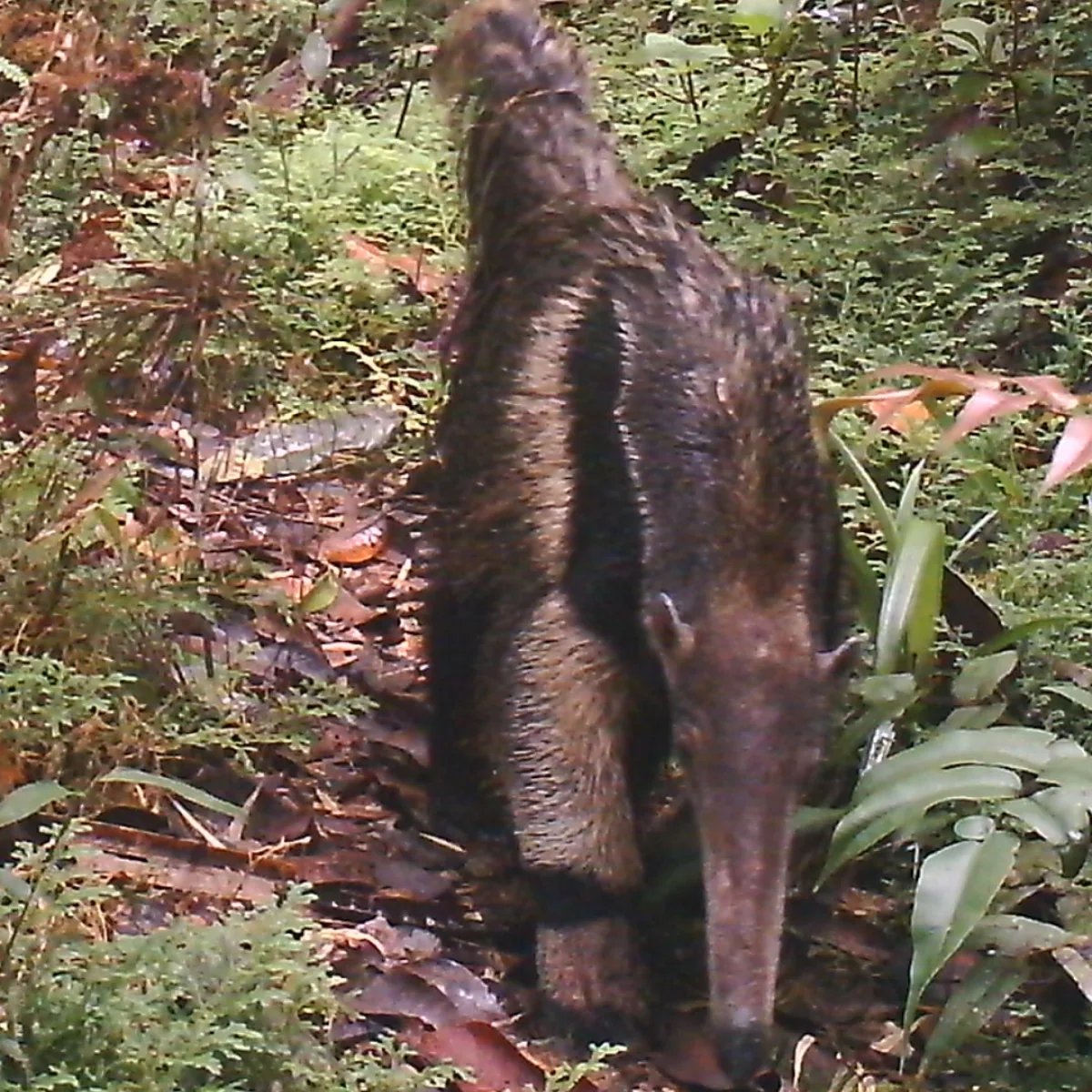
Giant anteater. Forages on the forest floor for ants and termites.
Myrmecophaga tridactyla
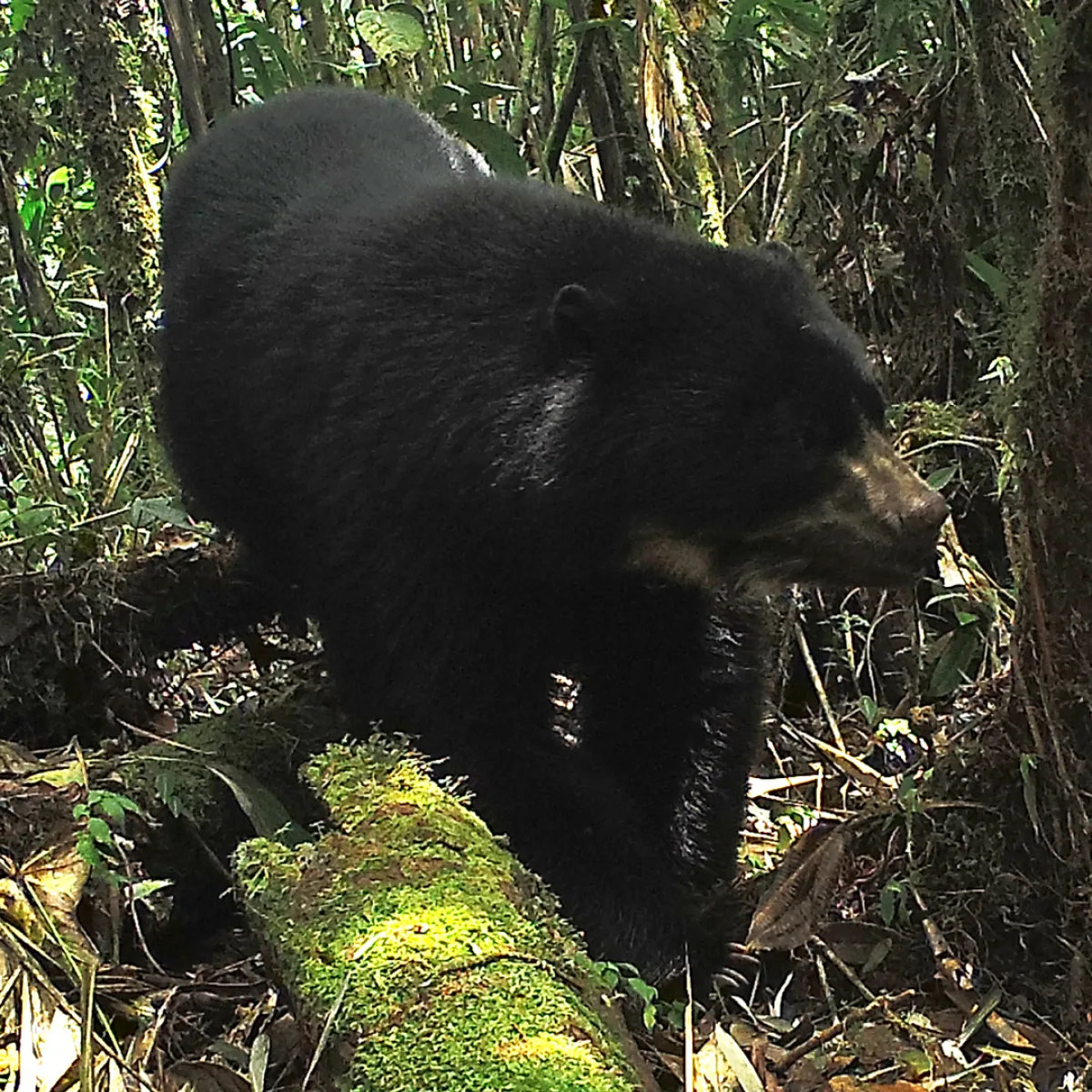
Andean bear. South America’s only bear.
Tremarctos ornatus
Continue exploring
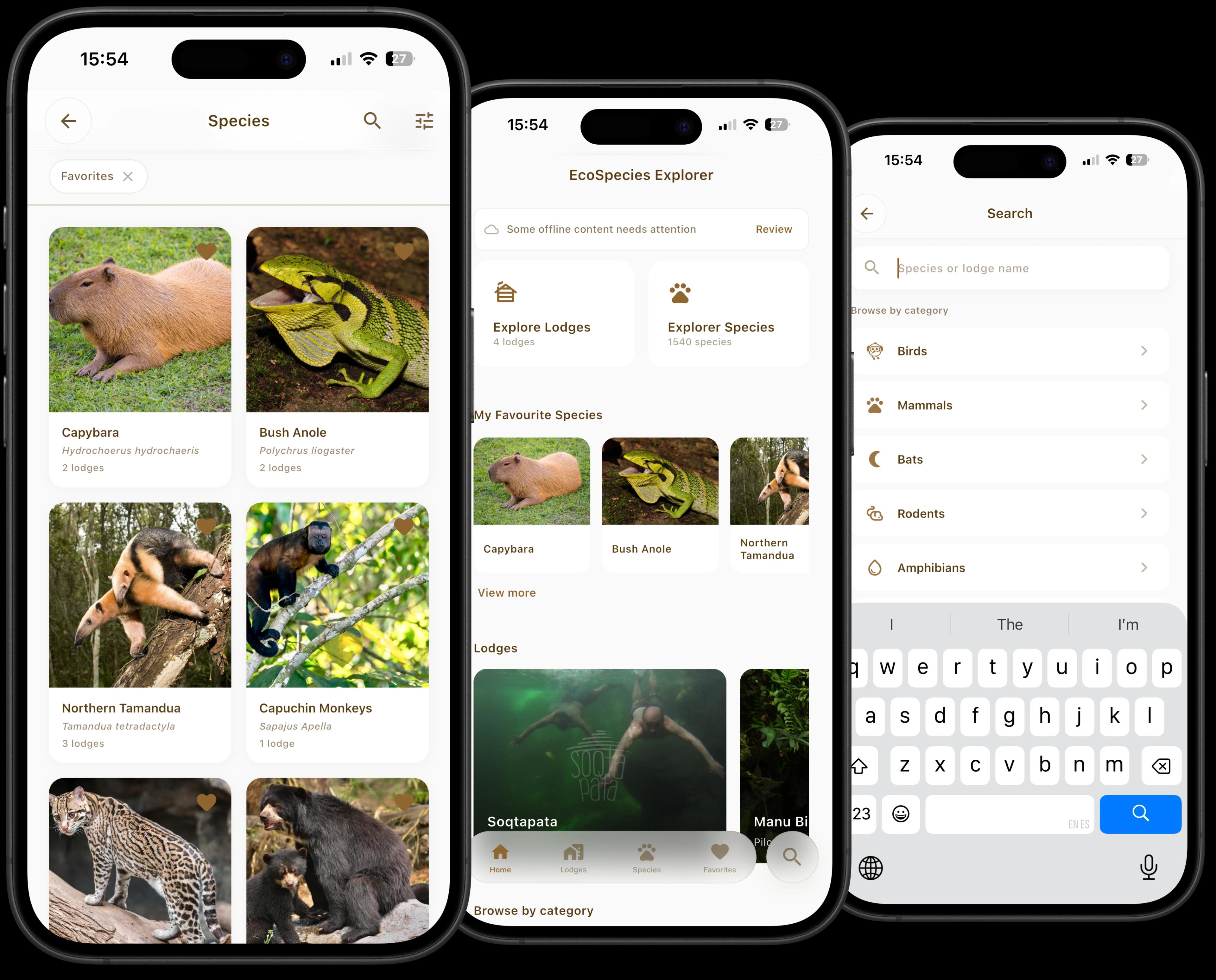
EcoSpeciesExplorer
A visual field guide for exploring species — carry the landscape with you.

Apple, the Apple logo, and App Store are trademarks of Apple Inc., registered in the U.S. and other countries. Glass frog photo: Jack Mortimer.
Beyond our boundary
Soqtapata is part of a wider landscape where forests, water and wildlife connect with neighbouring communities. Lasting conservation depends on people and places across this shared territory.
People and place
Conservation takes place within a wider territory shaped by people, forests and water. Understanding these relationships helps us identify where collaboration can strengthen long-term protection.
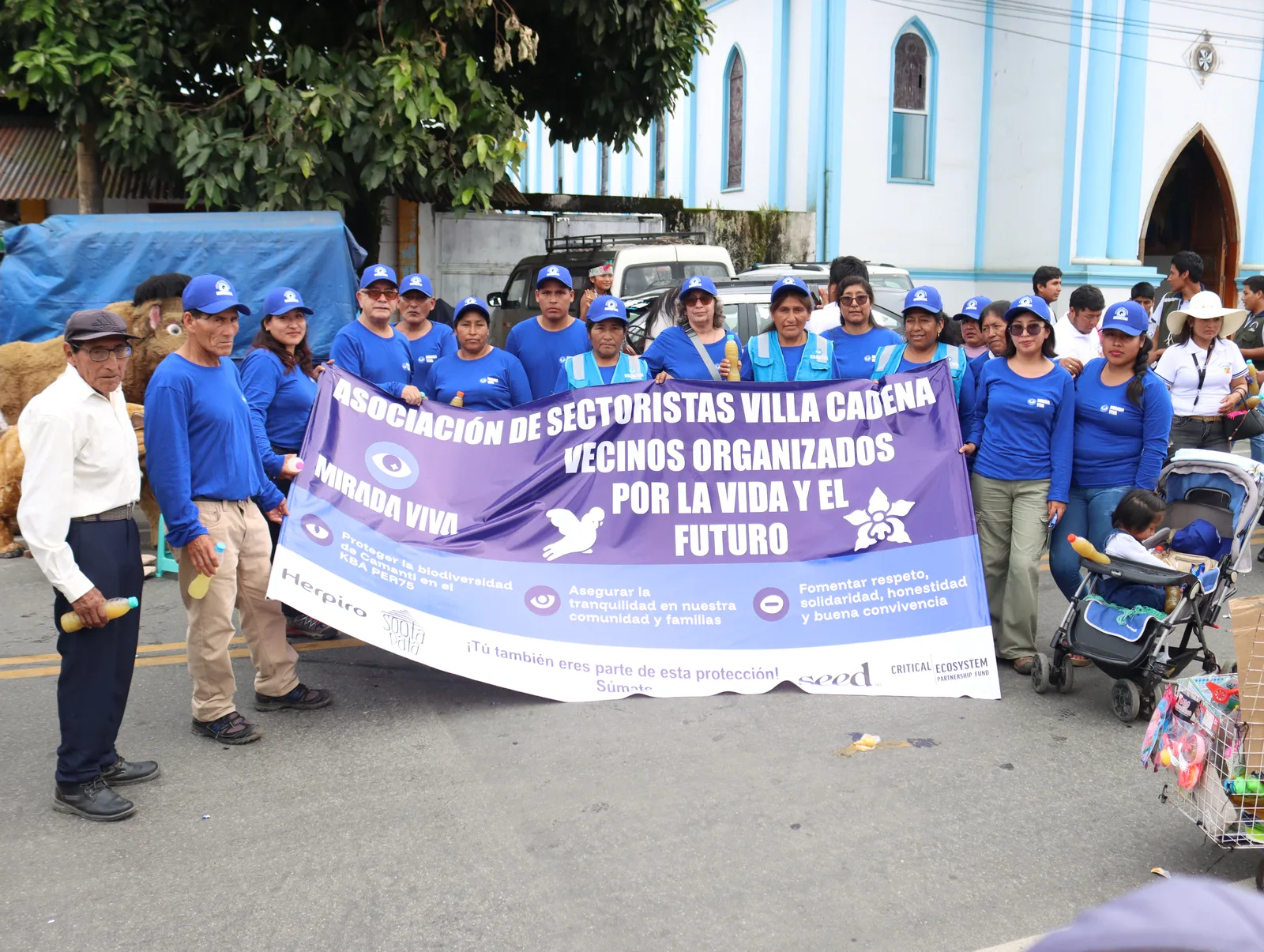
One landscape. Two dimensions.
Ecological processes and human realities are interconnected. Understanding both helps us make better conservation decisions, identify new questions and develop practical responses through research and collaboration.
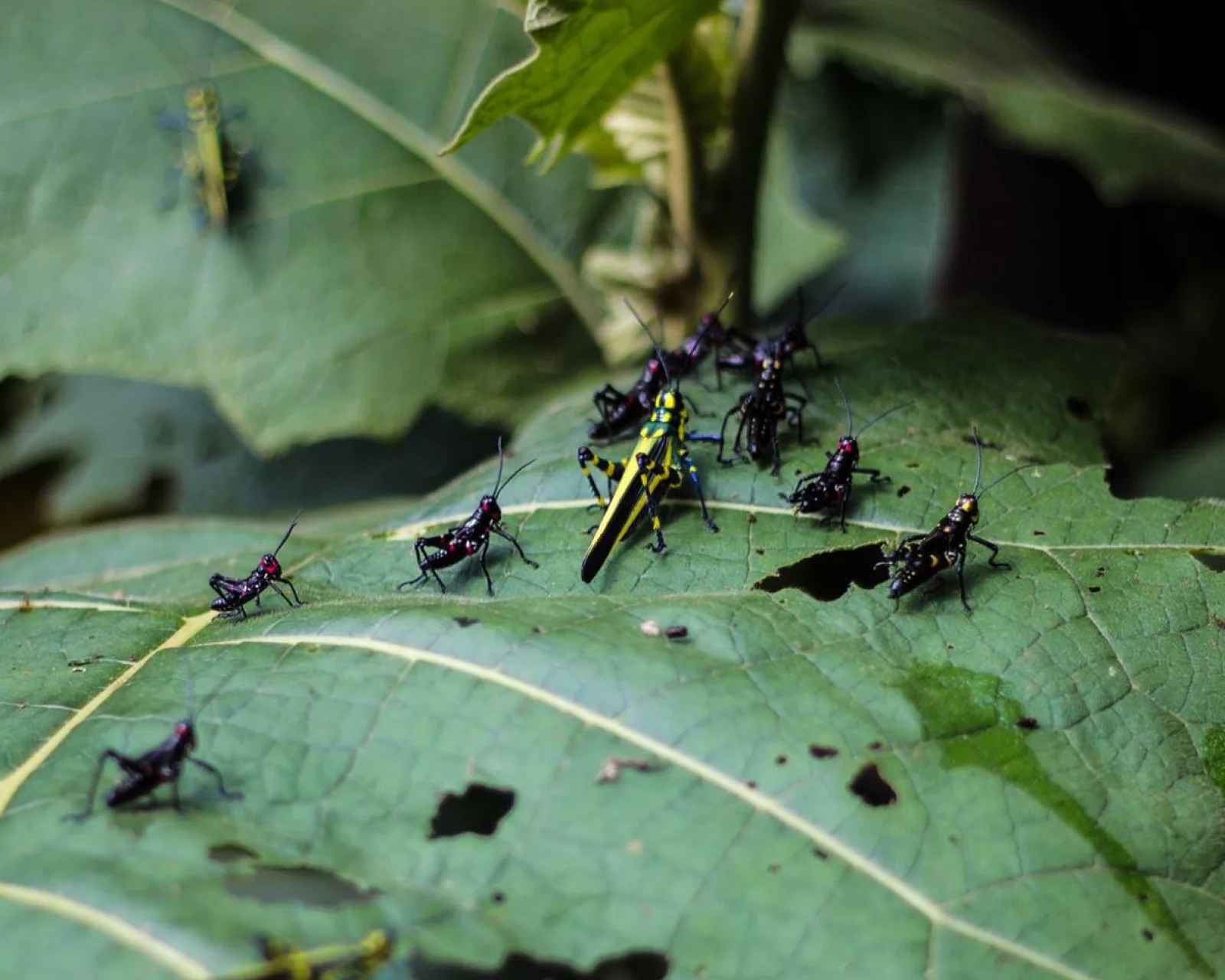
Ecological system. Biodiversity, ecosystems, climate, water and forest across the elevation gradient.
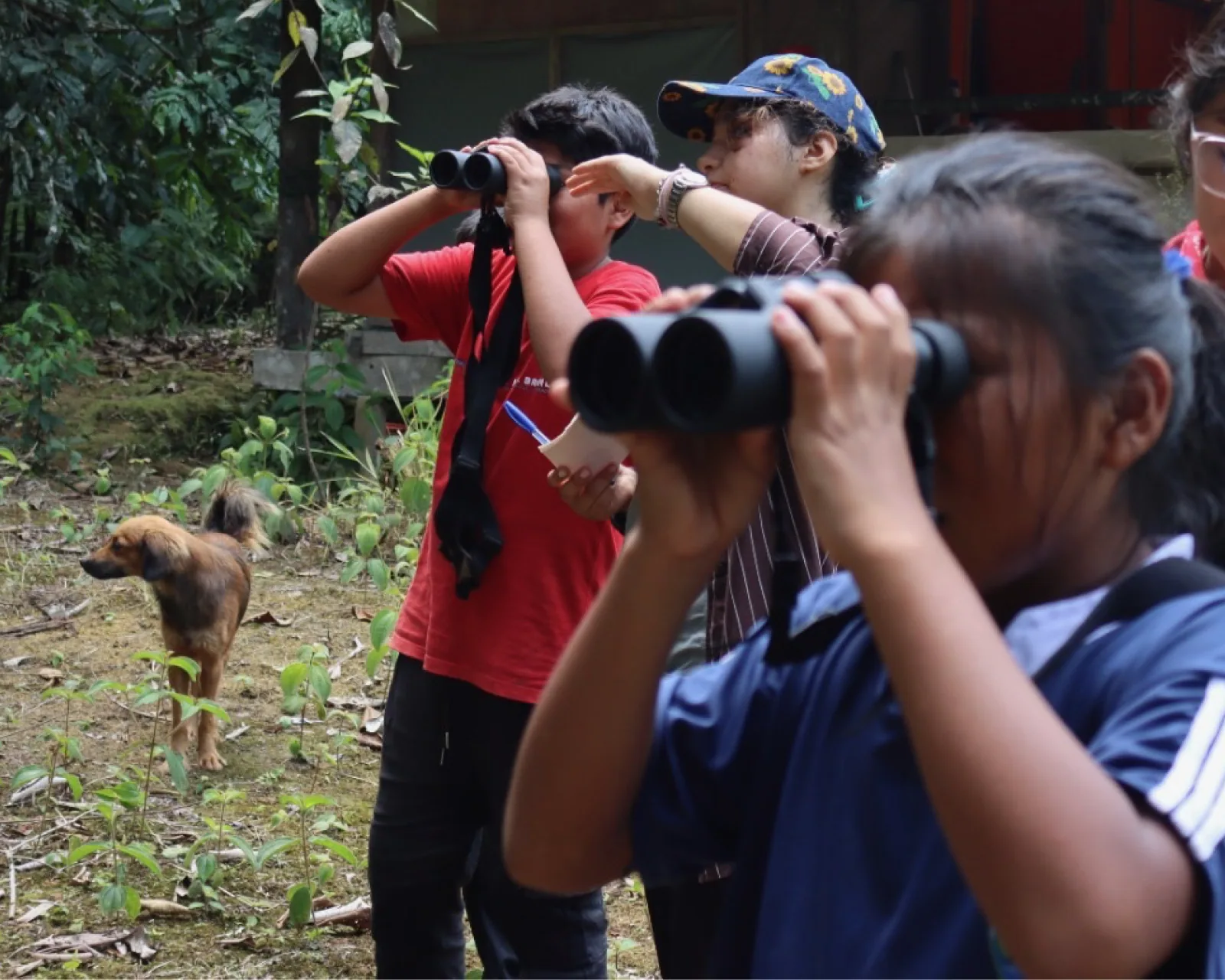
Human system. Neighbouring communities, livelihoods, territorial context and opportunity beyond the boundary.
For researchers
Soqtapata offers researchers, students and universities an opportunity to study biodiversity and ecological change directly in the field. Through CIDS, we welcome research questions, academic projects and collaborations that contribute to a deeper understanding of the landscape.
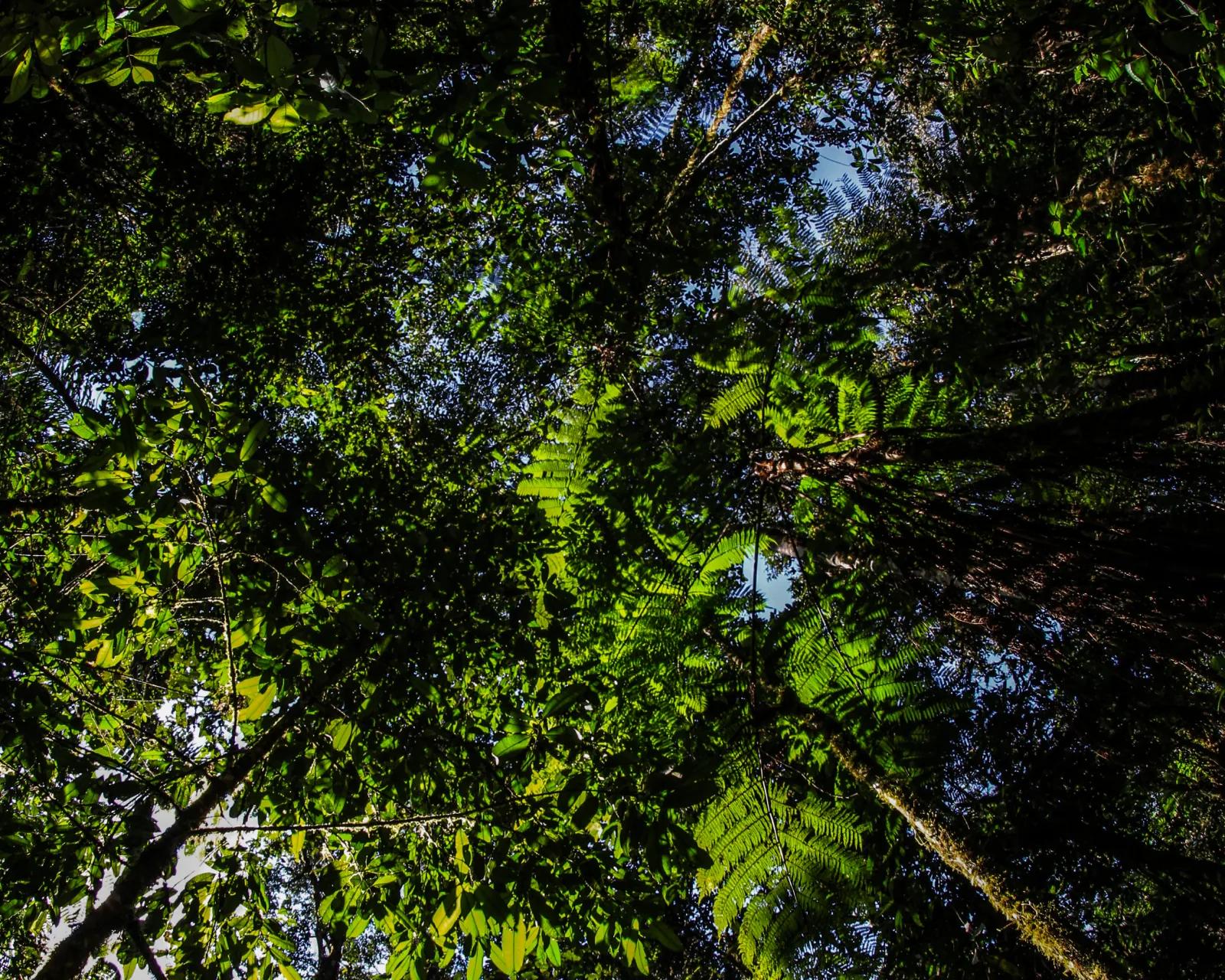
Conservation is continuous
Protecting Soqtapata means observing change, asking new questions and using what we learn to guide conservation over time.